
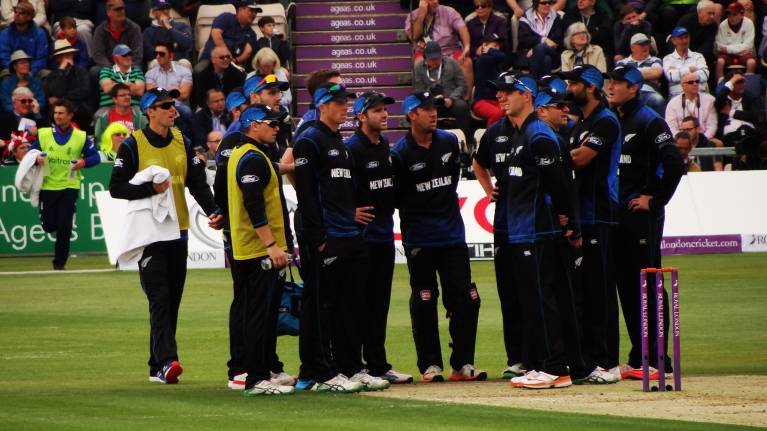
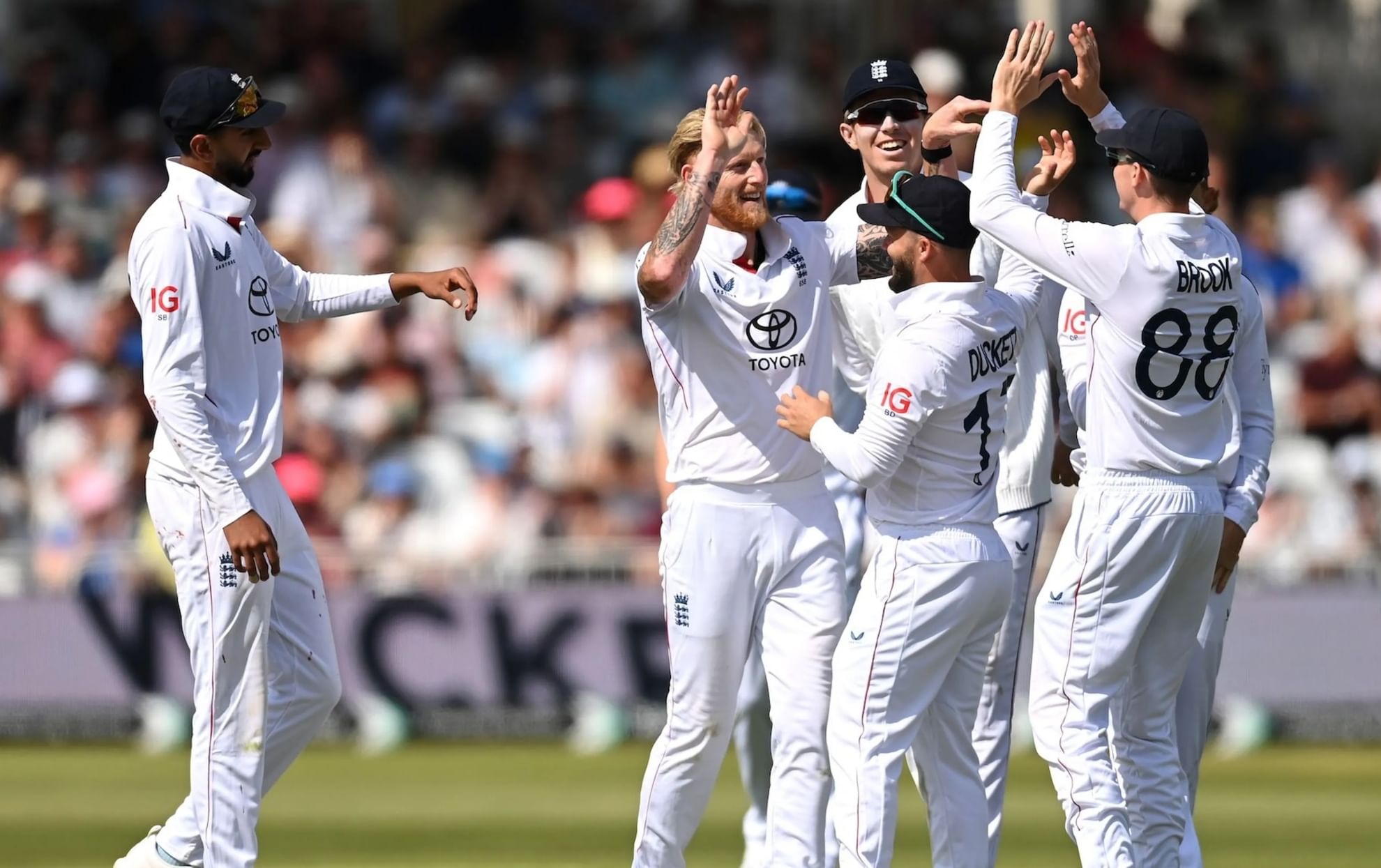

Cricket fans expecting a traditional opening day of Test cricket at Lord’s were treated to something entirely different. The first day of the opening Test between England and New Zealand in the 2026 Crowe–Thorpe Trophy turned into a breathtaking contest dominated by fast bowlers, challenging conditions, rain interruptions, and dramatic momentum swings.
When stumps were finally called on a weather-affected day at the Home of Cricket, England had been bowled out for just 140, while New Zealand stumbled to 61 for 6 in reply. A remarkable 16 wickets fell in only 60 overs of cricket, creating one of the most extraordinary opening days seen at Lord’s in recent years. (The Guardian)
A Highly Anticipated Series Begins
The three-Test series between England and New Zealand carries significant importance as part of the ICC World Test Championship 2025-27 cycle. Both teams entered the contest eager to make an early statement in a series featuring two proud cricketing nations with a rich history of thrilling encounters. (The Times of India)
The opening Test is being played at the iconic Lord’s Cricket Ground from June 4 to June 8, marking the beginning of a series that will later move to The Oval and Trent Bridge. (Lord's Cricket Ground)
Before the first ball was bowled, expectations were high. England, led by captain Ben Stokes, were looking to bounce back from a difficult Ashes campaign, while New Zealand hoped to continue their reputation as one of the most disciplined Test teams in world cricket. (talkSPORT)
New Zealand Win the Toss and Make the Right Call
The first major moment of the match came at the toss.
New Zealand captain Tom Latham won the toss and immediately chose to bowl first under cloudy London skies. With moisture in the pitch and rain threatening throughout the day, the decision appeared logical from the outset. (BBC)
The conditions at Lord’s offered movement both in the air and off the surface, creating a nightmare scenario for batters.
England handed a Test debut to opener Emilio Gay, one of several fresh faces included in the squad as the team looks to build toward the future. However, the debutant’s day would be short-lived. (The Guardian)
Kyle Jamieson’s Dream Return
The star of the opening session was undoubtedly New Zealand fast bowler Kyle Jamieson.
Returning to Test cricket after a lengthy injury absence, the towering seamer looked as dangerous as ever. Using his height, bounce, and ability to move the ball both ways, Jamieson quickly exposed England’s fragile top order. (Reuters)
Emilio Gay became Jamieson’s first victim when he edged a delivery to Daryl Mitchell after scoring just eight runs. The dismissal set the tone for what would become a miserable batting performance from the hosts. (Cricbuzz)
Jamieson consistently found uncomfortable lengths, forcing England’s batters into mistakes. Every spell seemed to create opportunities, and the pressure never eased.
By the end of England’s innings, Jamieson had claimed a superb five-wicket haul, finishing with figures of 5 for 62. It was a remarkable comeback performance and a reminder of why he is considered one of the most dangerous fast bowlers in world cricket when fully fit. (The Guardian)
England Collapse Under Pressure
England’s batting lineup never truly recovered after the early breakthrough.
The challenging conditions made stroke-making extremely difficult, but England’s aggressive “Bazball” mindset once again came under scrutiny as wickets continued to tumble throughout the innings. (The Guardian)
Several batters looked comfortable briefly before losing concentration or being undone by quality seam bowling.
New Zealand’s bowling attack worked as a unit.
Nathan Smith provided excellent support with three wickets, while Will O’Rourke chipped in with two important dismissals. Together, the trio dismantled England’s batting order and ensured that partnerships never developed. (The Guardian)
As wickets continued to fall, England found themselves in danger of being dismissed for an embarrassingly low score.
Harry Brook Provides Resistance
While most of England’s batting lineup struggled, Harry Brook once again demonstrated why he is regarded as one of the brightest stars in world cricket.
Brook played positively despite the difficult conditions and attempted to counterattack New Zealand’s seamers.
His innings of 56 from 71 deliveries stood out amid the collapse. Rather than simply surviving, Brook looked to score whenever opportunities arose, striking several impressive boundaries and temporarily shifting momentum back toward England. (The Guardian)
Unfortunately for England, Brook lacked significant support from the other end.
When he eventually departed, England’s innings quickly came to an end at just 140 runs. (The Guardian)
At that stage, New Zealand appeared firmly in control.
Rain Interruptions Add to the Drama
The weather played a major role throughout the day.
Several rain delays interrupted the flow of play and added another layer of complexity to an already difficult batting environment. The stop-start nature of the contest made it difficult for batters to settle, while bowlers repeatedly returned refreshed and ready to exploit favorable conditions. (The Guardian)
Only around 60 overs were possible across the entire day because of rain and poor light. Yet despite the limited play, fans witnessed enough action for several full days of cricket. (The Guardian)
Ollie Robinson Produces a Stunning Comeback
Just when it seemed New Zealand would comfortably take control of the match, England responded with one of the most dramatic bowling performances seen at Lord’s in recent years.
The architect of that comeback was Ollie Robinson.
After spending considerable time away from the England setup and facing questions about his international future, Robinson delivered a spell that instantly became one of the stories of the summer. (The Guardian)
Using the helpful conditions perfectly, Robinson found movement, accuracy, and relentless consistency.
His most memorable moment came during a devastating triple-wicket maiden that shattered New Zealand’s top order. In the space of a few deliveries, England transformed the match. (The Guardian)
The crowd at Lord’s erupted as wickets continued to fall.
Suddenly, New Zealand were no longer in control.
New Zealand’s Top Order Crumbles
The visitors’ reply quickly turned into a disaster.
England’s seamers extracted the same movement and bounce that had troubled their own batters earlier in the day.
Robinson led the attack brilliantly, claiming four wickets for just ten runs during a sensational spell. His ability to hit the perfect length repeatedly left New Zealand’s batters struggling for answers. (The Guardian)
Josh Tongue and Gus Atkinson also contributed crucial breakthroughs as England mounted an aggressive fightback. (The Guardian)
One wicket followed another, and before long New Zealand found themselves in serious trouble.
The batting lineup that had looked so dominant with the ball suddenly appeared vulnerable with the bat.
Glenn Phillips Stands Firm
Amid the collapse, Glenn Phillips emerged as New Zealand’s lone source of resistance.
Known primarily for his explosive white-ball batting, Phillips showed impressive composure and determination in testing conditions.
While teammates struggled around him, he remained unbeaten on 31 at the close of play, helping New Zealand avoid complete disaster. (The Guardian)
His innings may yet prove critical if New Zealand can build a competitive first-innings total on Day Two.
Supporting him at stumps was Nathan Smith as the visitors finished the day on 61 for 6. (Reuters)
England’s Tribute at Lord’s
An emotional element accompanied the cricketing action.
England’s players wore black armbands throughout the day as a mark of respect for former cricketers who had passed away since the team’s last home international fixture.
The gesture was widely appreciated by players and supporters alike and added a moment of reflection amid the intensity of the contest. (The Times of India)
What Day One Means for the Match
The scorecard at the end of the day told a fascinating story:
England: 140 all out
New Zealand: 61/6
New Zealand trail by 79 runs
On paper, New Zealand still have an opportunity to secure a first-innings lead. However, with only four wickets remaining and conditions continuing to favor seam bowling, the match remains delicately balanced. (The Guardian)
England will believe one more strong bowling session can hand them a significant advantage.
New Zealand, meanwhile, will hope Glenn Phillips can produce something special and drag the visitors into a commanding position.
Looking Ahead to Day Two
If the opening day was any indication, cricket fans should prepare for another thrilling chapter.
The Lord’s pitch continues to offer assistance for fast bowlers, and weather forecasts suggest more interruptions could occur. Every run now feels valuable, and every wicket could dramatically alter the course of the match. (The Guardian)
Whether it is Kyle Jamieson extending his remarkable comeback, Ollie Robinson continuing his dream return, or Glenn Phillips attempting a rescue mission for New Zealand, the stage is set for a fascinating second day.
One thing is certain: after a breathtaking opening day that produced 16 wickets, rain delays, comeback stories, and momentum swings in every session, the first Test between England and New Zealand has already become one of the most compelling matches of the 2026 cricket summer. (The Guardian)





0 Comments